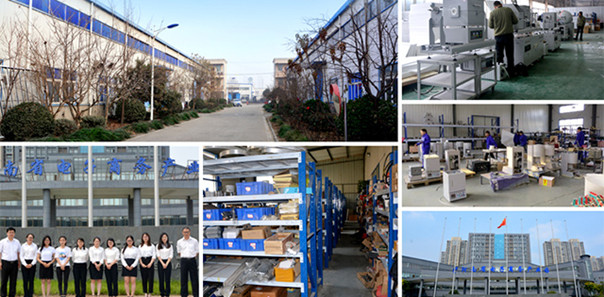
The temperature range of a vacuum sintering furnace varies depending on the application field, material type, and equipment design, typically covering a wide range from medium to low temperatures (≤ 1200 ℃) to ultra-high temperatures (≥ 2200 ℃). Let's take a detailed look below!
 Commonly used vacuum sintering furnaces (click on the image to view product details)
1. Typical temperature range of vacuum sintering furnace
Low temperature vacuum sintering furnace (≤ 1200 ℃)
Applicable materials: Preliminary sintering of metal powders (such as stainless steel, titanium alloys) and ceramic powders (such as alumina, zirconia).
Technical Features:
Heating element: resistance wire or silicon carbide rod, low cost, moderate heating rate.
Vacuum degree: up to 10 ⁻ 3Pa, meeting the degassing needs of most metals and ceramics.
Application scenarios: Laboratory research and development, small-scale production, such as dental implants and sintering of precision parts.
High temperature vacuum sintering furnace (1200 ℃ -1800 ℃)
Applicable materials: hard alloys, high-temperature ceramics (such as silicon nitride and silicon carbide), refractory metals (such as tungsten and molybdenum).
Technical Features:
Heating element: graphite heater or molybdenum heater, high temperature resistance and strong chemical stability.
Vacuum degree: up to 10 ⁻ 3Pa, effectively removing impurities such as oxygen and nitrogen from the material.
Application scenario: Industrial grade production, such as the manufacturing of cutting tools, molds, and aerospace components.
Ultra high temperature vacuum sintering furnace (≥ 1800 ℃)
Applicable materials: ultra-high temperature ceramics (such as ZrB ₂, HfB ₂), carbon/carbon composites, and new ceramic based composites.
Technical Features:
Heating element: high-purity graphite or molybdenum lanthanum alloy, equipped with a water cooling system to prevent thermal deformation.
Vacuum degree: up to 10 ⁻⁴ Pa, meeting the material synthesis requirements under extreme conditions.
Application scenarios: In the fields of nuclear energy and aerospace, such as the preparation of nuclear fuel cladding and rocket nozzle throat liners.
2. Key factors affecting the temperature of vacuum sintering furnace
Material Properties
Melting point and volatility: High melting point materials (such as tungsten and tantalum) require higher temperatures, while low melting point materials (such as aluminum and magnesium) require temperature control to prevent volatilization.
Chemical reactivity: Active materials such as titanium and zirconium need to be degassed at low temperatures and then sintered at high temperatures to avoid oxidation.
equipment design
Heating method: Resistance heating is suitable for medium and low temperatures, while induction heating or graphite heating can achieve higher temperatures.
Furnace material: High purity graphite furnace is resistant to high temperatures but prone to oxidation, and needs to be used under vacuum or inert atmosphere; Metal furnaces (such as stainless steel) are suitable for low temperatures but have lower costs.
Cooling system: Water or air cooling design can shorten the cooling time and improve equipment turnover.
Process requirements
Sintering stage: Pre sintering (degassing) is usually carried out at low temperatures (500-800 ℃), while the main sintering stage requires higher temperatures (1200-1800 ℃).
Atmosphere control: Some processes require switching between vacuum and inert gases (such as argon) to optimize material properties.
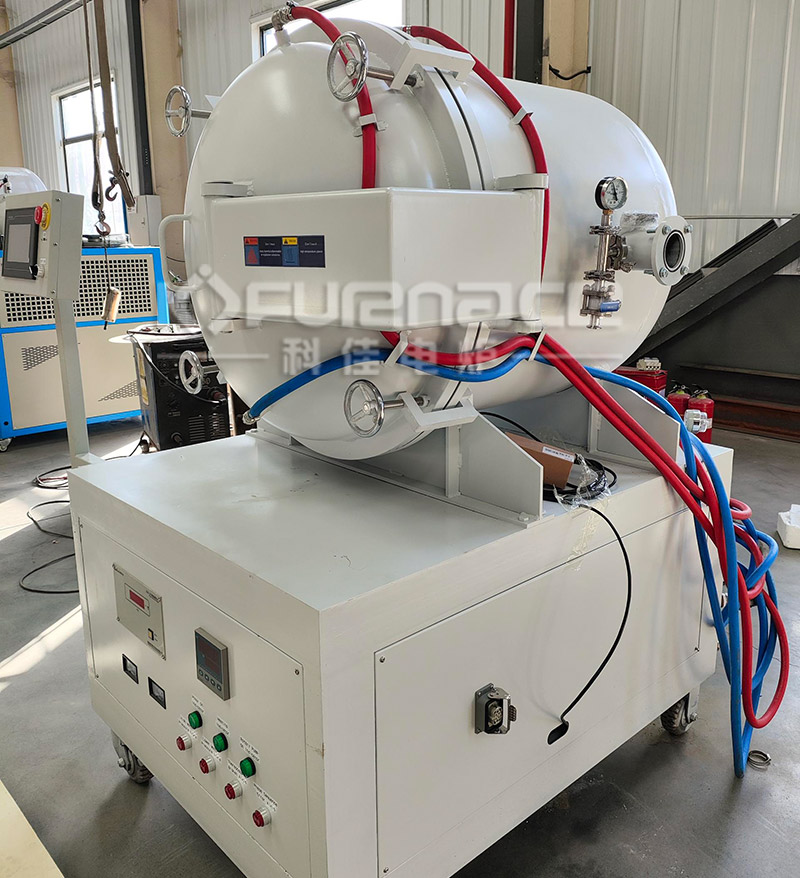
 Graphite vacuum sintering furnace with a temperature of up to 1700 ℃ (click on the image to view product details)
3. Purchase suggestion: Match temperature parameters according to needs
Clarify material and process requirements
Confirm the melting point, volatility, and chemical reactivity of the material, and select equipment that can cover its sintering temperature.
For example, sintering tungsten alloy requires an ultra-high temperature furnace of ≥ 1800 ℃, while alumina ceramics can meet the demand at 1200 ℃.
Pay attention to temperature uniformity and temperature control accuracy
Prioritize selecting equipment with temperature control accuracy of ± 1 ℃ and temperature uniformity of ± 5 ℃ to ensure consistent sintering quality.
For example, the sintering of hard alloys is sensitive to temperature fluctuations and requires a high-precision temperature control system.
Evaluate device scalability
If there is a need to upgrade the process in the future (such as increasing temperature or changing atmosphere), choose modular design equipment for later modification.
For example, reserving gas interfaces or heating power expansion space to adapt to different material requirements.
Consider safety and maintenance costs
High temperature equipment should be equipped with over temperature protection, water cooling systems, and explosion-proof devices to ensure safe operation.
Graphite heaters need to be replaced regularly, and maintenance costs need to be included in the budget.
Click to learn more Vacuum Furnaces! Or
click on online customer service to learn more about product information! 
 English
 简体中文
 Français
 日本語
 한국어
 Português
 Русский
 Español