English
 简体中文
简体中文 Français
 日本語
日本語 한국어
한국어 Português
 Русский
 Español




Tel Number
181-3719-5600
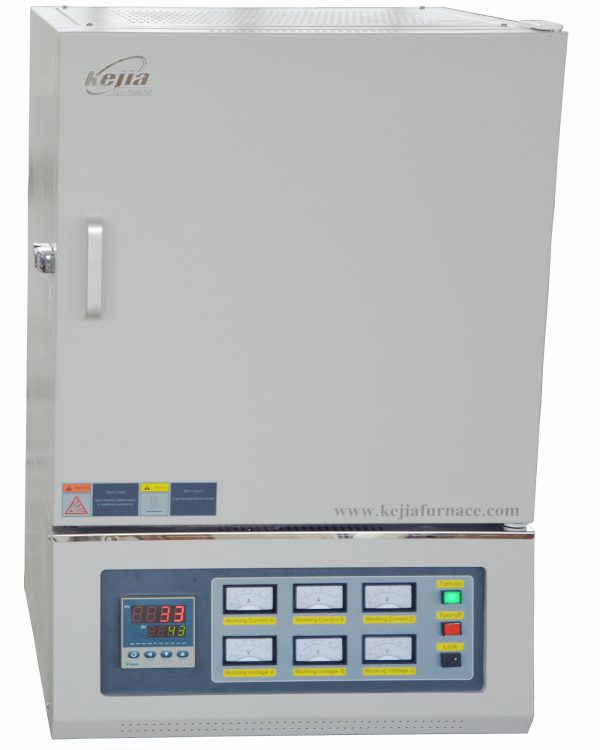
The 1200 degree high-temperature experimental box furnace is a widely used heating equipment in scientific research and industrial fields. Let’s take a detailed look below!
1. Core parameters
Maximum temperature: up to 1200 ℃, some models support short-term (such as<3 hours) operation at 1200 ℃, and the continuous working temperature is usually 1100 ℃.
Heating rate: The fastest heating rate can reach 20 ℃/min, and some equipment recommends a heating rate of 10 ℃/min to extend equipment life.
Temperature uniformity: The temperature uniformity inside the furnace is ≤± 5 ℃, and some models can reach ± 3 ℃ or even higher, ensuring consistent heating of the sample.
Temperature control accuracy: Equipped with a PID intelligent temperature control system, the temperature control accuracy is ± 1 ℃, and up to 30 temperature rise and fall programs can be set to meet complex process requirements.
Furnace size: According to experimental requirements, there are various furnace sizes, such as 300mm × 300mm × 300mm (27L), 300mm × 200mm × 120mm, etc. The internal space is spacious and easy to place samples.
Heating element: Made of high resistivity and high-temperature resistant alloy materials, such as nickel chromium alloy wire, iron chromium aluminum alloy wire, silicon carbon rod, silicon molybdenum rod, etc., it has good oxidation resistance and a long service life.
Furnace material: High purity alumina fiber, polycrystalline mullite fiber and other high-temperature resistant materials are usually used, with a high-temperature alumina coating on the surface to improve heating efficiency and extend service life.
Shell structure: Double layered shell with air cooling system, surface temperature<60 ℃, reducing operational risks.
2. Technical advantages
Efficient heating: Good heating elements and furnace materials ensure rapid heating and shorten the experimental cycle.
Uniform temperature: Reasonable furnace structure design and heating element arrangement ensure uniform temperature distribution inside the furnace, avoiding local overheating or underheating.
Intelligent temperature control: The PID intelligent temperature control system achieves precise temperature control and supports multi-stage program programming to meet different experimental needs.
Safe and reliable: equipped with multiple safety protection devices such as overcurrent, overvoltage, overtemperature alarm, and trip protection, ensuring the safety of operators and equipment.
Energy saving and cleaning: Optimize design and insulation materials to reduce heat loss, improve energy utilization efficiency, and further save energy and reduce emissions.
Easy to operate: touch screen or button operation interface, supports data export and remote monitoring, some models are equipped with PC temperature control software, simplifying the operation process.
3. Typical application scenarios
Material preparation: Used for sintering and melting experiments of metals, ceramics, glass and other materials, to prepare new materials by inducing phase transition or chemical reactions at high temperatures.
Physical and chemical experiments: provide stable heat sources to ensure the accuracy of experimental results, such as nanomaterial synthesis, catalyst research, etc.
Metallurgical research: Analyze the changes in the microstructure and properties of metals at high temperatures, such as annealing, quenching, tempering, and other heat treatment processes.
Ceramic manufacturing: firing ceramic products, such as daily-use ceramics, art ceramics, electronic ceramic substrates, etc.
Chemical industry: synthetic chemical raw materials, such as catalyst carriers, high-temperature reaction media, etc.
Medical field: preparation of biomaterials, drug carriers, etc.
Environmental protection field: processing waste, purifying exhaust gas, such as high-temperature incineration of harmful substances.
In the field of new energy: calcination of positive and negative electrode materials for lithium batteries, sintering of fuel cell components.
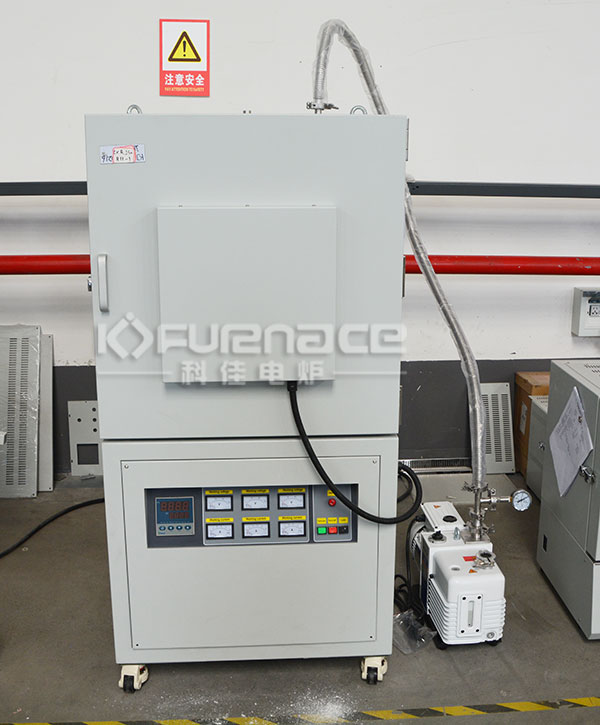
Customized six sided heating box furnace (click on the picture to view product details)
4. Selection suggestions
Temperature range: Select the highest temperature according to experimental requirements to ensure coverage of the target reaction conditions.
Furnace size: Choose the furnace size based on the sample size to avoid space waste or operational limitations.
Temperature control accuracy: For experiments that require high temperature control, choose models with higher temperature control accuracy.
Heating element: Select the appropriate heating element based on the experimental material and atmosphere, such as silicon carbon rod suitable for oxidizing atmosphere and silicon molybdenum rod suitable for reducing atmosphere.
Security protection: Ensure that the equipment has complete security protection devices, such as over temperature alarm, disconnection protection, etc.
After sales service: Evaluate the supplier’s technical support capabilities and spare parts supply cycle to reduce maintenance costs in the later stage.Click to learn more 1200 ℃ experimental box furnaces! Or click on online customer service to learn more about product information!
Contact Information
E-mail: