English
 简体中文
简体中文 Français
 日本語
日本語 한국어
한국어 Português
 Русский
 Español




Tel Number
181-3719-5600
As a commonly used electric furnace in the heat treatment industry, tube furnace has a wide range of application fields. So, what aspects should be paid attention to when customizing? Let’s take a detailed look below!
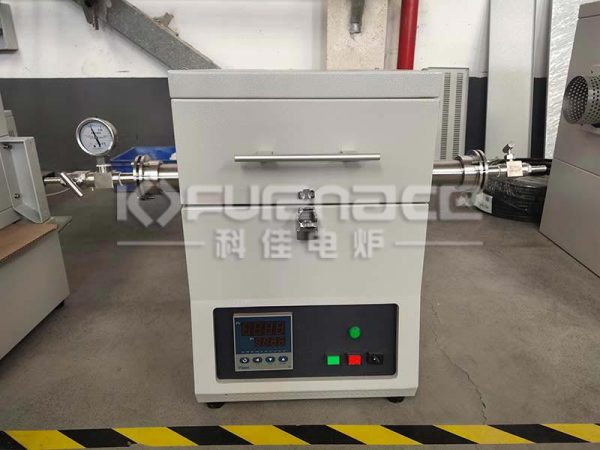
A commonly used small mini desktop tube furnace (click on the image to view product details)
1. Clearly define application requirements and core parameters
Temperature range and limit values
Determine the maximum working temperature based on experimental or production requirements to avoid blindly pursuing extreme values. For example, if the actual demand is 1200 ℃, choose a model with a nominal temperature of 1400 ℃ and reserve a safety margin of 100-200 ℃ to prevent long-term high temperature from causing aging of the heating element.
Different heating elements correspond to different temperature ranges:
Fe Cr Al or NiCr Al alloy heating element: 250~1200 ℃
SiC heating element: 1200~1400 ℃
MoSi ₂ heating element: 1400~1700 ℃
Furnace tube size and material
Pipe diameter and length: Select according to the sample size and processing capacity to ensure that the sample is completely placed in the heating zone. For example, processing long rod-shaped samples requires customizing elongated furnace tubes.
Material selection:
Quartz tube: ≤ 1200 ℃, suitable for acidic atmosphere, but afraid of alkaline vapor (such as NaOH volatilization corrosion).
Corundum tube (alumina): ≤ 1600 ℃, strong corrosion resistance, but heating needs to be slow (low thermal conductivity, easy to explode due to internal and external temperature difference).
Stainless steel tube: limited to inert atmosphere only. If the vacuum degree is insufficient, internal oxidation will contaminate the sample.
Design of Heating Zone and Constant Temperature Zone
Heating zone length: affects temperature uniformity. Longer heating zones (such as multi zone designs) are suitable for experiments that require temperature gradients (such as material synthesis).
Constant temperature zone accuracy: Select a furnace type with a constant temperature band longer than the sample to ensure temperature fluctuations of ≤± 5 ℃. For example, sintered ceramics require a constant temperature zone to cover the entire sample area.
2. Functional configuration and security design
Atmosphere control requirements
Vacuum function: If high vacuum environment is required (such as nano material synthesis), choose a combination of mechanical pump and molecular pump, with a vacuum degree of up to 10 ⁻ Pa, to avoid particle aggregation caused by residual oxygen.
Gas protection: When introducing inert gas (such as argon), a gas washing process should be designed: evacuate → slowly inflate to slightly positive pressure → repeat 2-3 times → finally inflate to working pressure to prevent gas flow from impacting the sample.
Security protection function
Overtemperature alarm: When the temperature exceeds the set value, it will automatically shut down to prevent equipment damage.
Leakage protection: Grounding device and insulation design to avoid operational risks.
Emergency shutdown: Quickly cut off power in case of sudden malfunction to ensure personnel safety.
Operational convenience
Program temperature control: supports multi-stage heating, insulation, and cooling programs, such as heating up to 1000 ℃ at 3 ° C/min, maintaining constant temperature for 2 hours, and then naturally cooling.
Remote control: Monitor parameters such as temperature and atmosphere pressure inside the furnace through a computer or mobile app, achieving unmanned operation.
3. Customization process and supplier selection
Clear requirement list
Provide detailed parameters: temperature range, furnace tube size, atmosphere type, temperature control accuracy, heating zone length, etc.
Additional special requirements: such as rotating furnace tubes (to improve powder processing uniformity), rapid cooling systems (to shorten experimental cycles), etc.
Supplier evaluation criteria
Technical strength: Check whether there is independent research and development capability, and whether the design can be adjusted according to the needs.
Production experience: Priority should be given to suppliers who have served universities, research institutes, or industry-leading enterprises, with rich case studies and good reputation.
After sales service: Confirm whether 24-hour response, regular maintenance, spare parts supply, etc. are provided.
Contract and Acceptance Points
Technical agreement: Clarify key indicators such as temperature uniformity (e.g. ± 5 ℃), vacuum degree (e.g. 10 ⁻ ³ Pa), and heating rate (e.g. 10 ° C/min).
Acceptance testing: It is required to run the standard program in an empty furnace to detect temperature fluctuations, vacuum leakage rates, etc.
4. Operation and maintenance standards
After initial use and long-term discontinuation
Oven drying procedure: Room temperature → 200 ℃ (4 hours) → 600 ℃ (4 hours), remove moisture and volatile substances from the furnace.
Temperature limit: The actual working temperature is 100 ℃ lower than the maximum temperature, which extends the life of the heating element.
Daily operation taboos
It is prohibited to pour liquids or molten metals into the furnace to prevent short circuits or corrosion.
Avoid abruptly pulling out the thermocouple during high temperatures to prevent the jacket from exploding.
Sample placement requires the use of corundum crucibles or high-temperature resistant supports to ensure airflow circulation and avoid uneven heating.
Regular maintenance plan
Furnace cleaning: Remove oxides after each batch of experiments to prevent accumulation and affect temperature uniformity.
Thermocouple calibration: Every six months, use a potential difference meter to detect and correct errors such as demagnetization of magnetic steel and fatigue of shrapnel.
Vacuum pump maintenance: The mechanical pump oil should be replaced every 500 hours, and the molecular pump should be returned to the factory for maintenance every year. It is prohibited to disassemble it by oneself.Click to learn more customized high-temperature tube furnaces! Or click on online customer service to learn more about product information!
Contact Information
E-mail: