English
 简体中文
简体中文 Français
 日本語
日本語 한국어
한국어 Português
 Русский
 Español




Tel Number
181-3719-5600
When choosing an electric furnace for vacuum tempering, it is necessary to comprehensively consider multiple aspects such as heating temperature, vacuum degree, cooling method, heating elements, control system, furnace structure and size, manufacturer reputation, and after-sales service. Let’s analyze them in detail below!
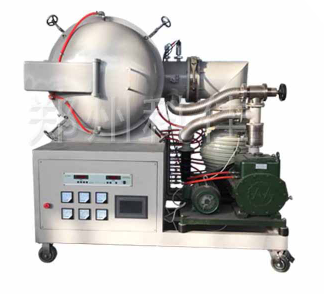
Commonly used KJ-V series vacuum tempering furnace (click on the picture to view product details)
1. Core performance parameters
Heating temperature: Select the appropriate heating temperature range according to the process requirements. The heating temperature of a vacuum tempering furnace is generally between 300~2200 ℃, but the specific selection depends on the material type and tempering requirements.
Vacuum degree: Vacuum degree is a key factor affecting the tempering effect. Select the appropriate vacuum system according to the process requirements. Common vacuum components include mechanical pumps, molecular pumps, diffusion pumps, etc. For processes that require extremely low or ultra-low vacuum, vacuum furnaces equipped with corresponding pump types should be selected.
Cooling method: There are two cooling methods for vacuum tempering furnaces: water cooling and air cooling. Water cooling has a fast cooling speed, but it may increase equipment complexity and maintenance costs; The air cooling method is relatively simple, but the cooling rate may be slower. Choose the appropriate cooling method according to the process requirements.
2. Key components and materials
Heating element: There are various forms and materials to choose from for the heating element of vacuum tempering furnace, such as resistance wire, graphite, molybdenum, etc. Select appropriate heating element materials and forms based on heating temperature and process requirements. For example, for low-temperature operations, resistance wires or silicon molybdenum rods can be selected as heating elements; For high-temperature operations, it may be necessary to choose materials such as graphite or silicon carbide rods.
Furnace material: The furnace material should have good high temperature resistance and sealing properties to ensure stable operation in high temperature and vacuum environments. Common furnace materials include stainless steel, alumina fiber, etc.
3. Control system and functions
Control system: The control system is the core part of the vacuum tempering furnace and should have functions such as monitoring, fault display, and recording to ensure the stability and safety of the process. Choosing a vacuum tempering furnace with a good control system can improve operational convenience and work efficiency.
Safety protection function: The vacuum tempering furnace should have multiple safety protection functions, such as over temperature protection, over pressure protection, gas leakage detection, etc., to ensure the safety of personnel and equipment.
4. Furnace structure and dimensions
Furnace structure: Select the appropriate furnace structure according to the process requirements, such as horizontal, vertical, etc. At the same time, consider the sealing and maintainability of the furnace body.
Effective workspace size: Select the appropriate effective workspace size based on the size and quantity of processed workpieces to ensure that the workpieces can be uniformly heated and meet production requirements.
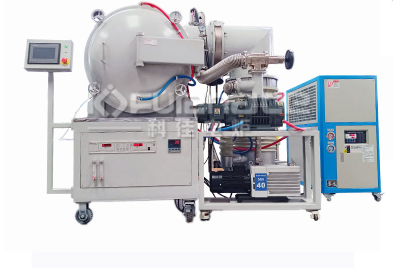
A commonly used 1200 ℃ fiber furnace vacuum furnace (click on the image to view product details)
5. Manufacturer reputation and after-sales service
Manufacturer reputation: Choosing a manufacturer with good reputation and word-of-mouth can ensure the quality and performance of the equipment are guaranteed. You can understand the manufacturer’s reputation by checking their qualification certificates, customer evaluations, and other methods.
After sales service: A comprehensive after-sales service system can ensure that equipment receives timely technical support and maintenance during use. Choosing a manufacturer that can provide quick response and efficient service can reduce equipment downtime and improve production efficiency.Click to learn more customized vacuum furnaces! Or click on online customer service to learn more about product information!
Contact Information
E-mail: